
RIPENING, 2025
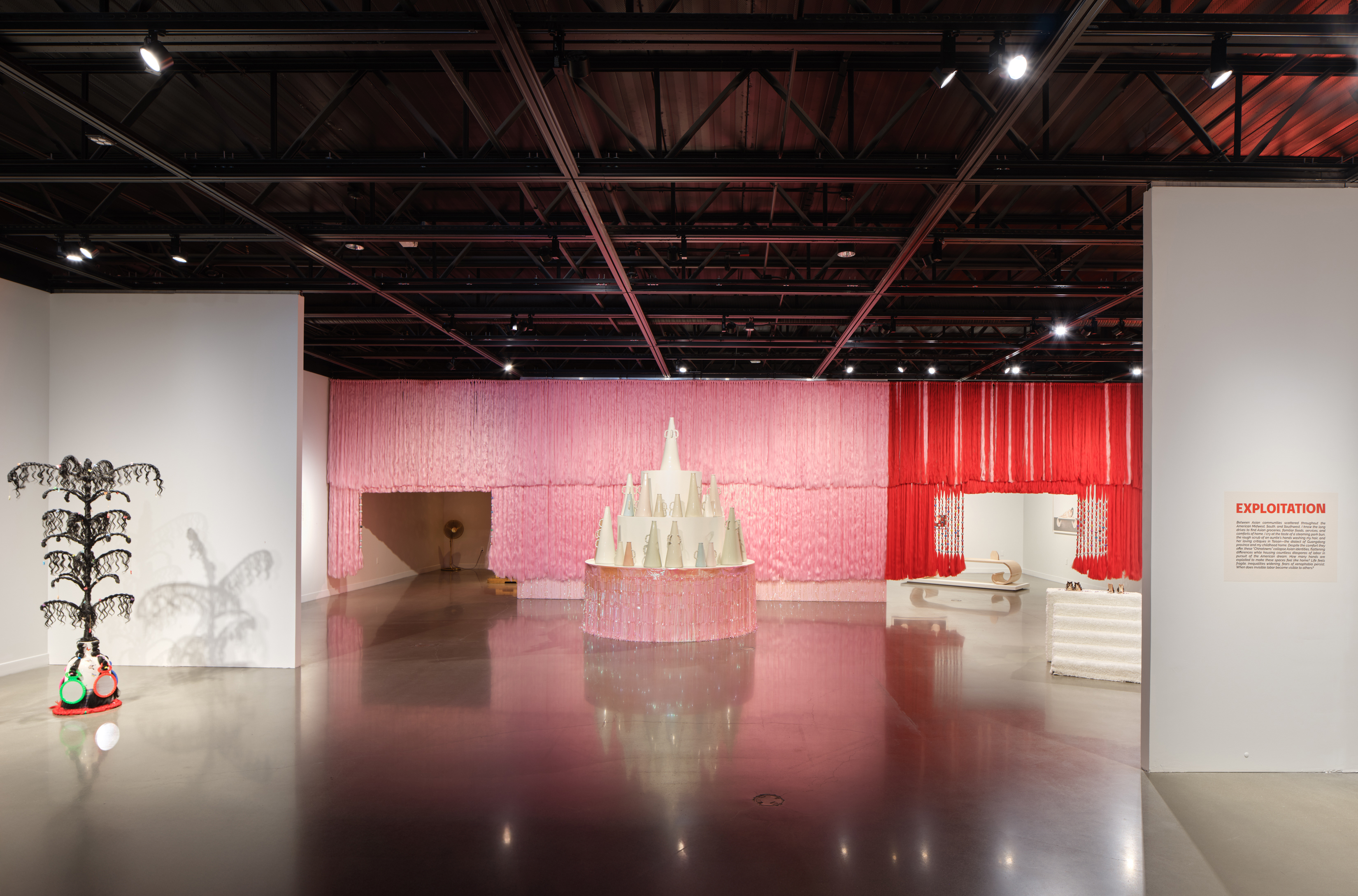
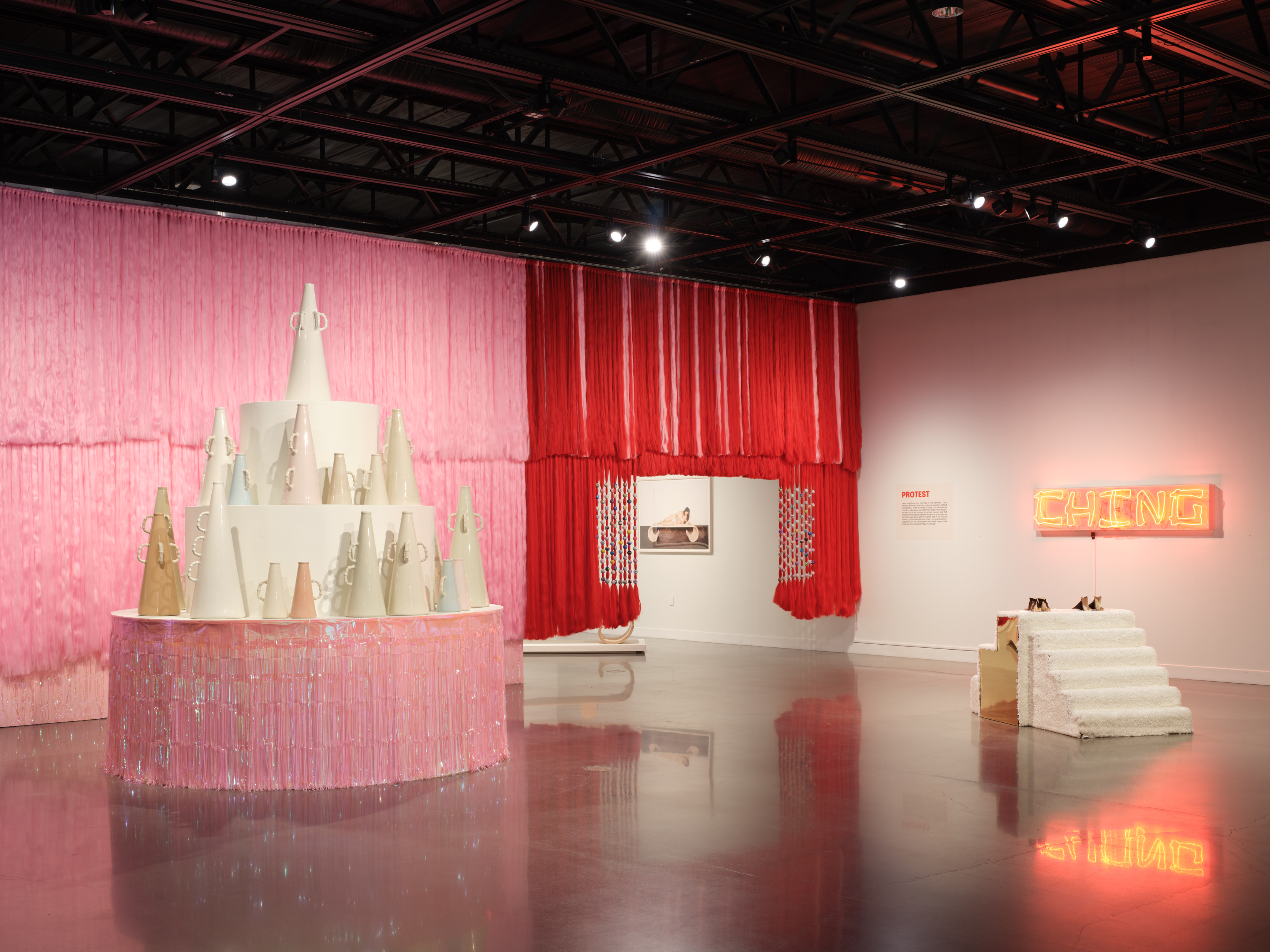
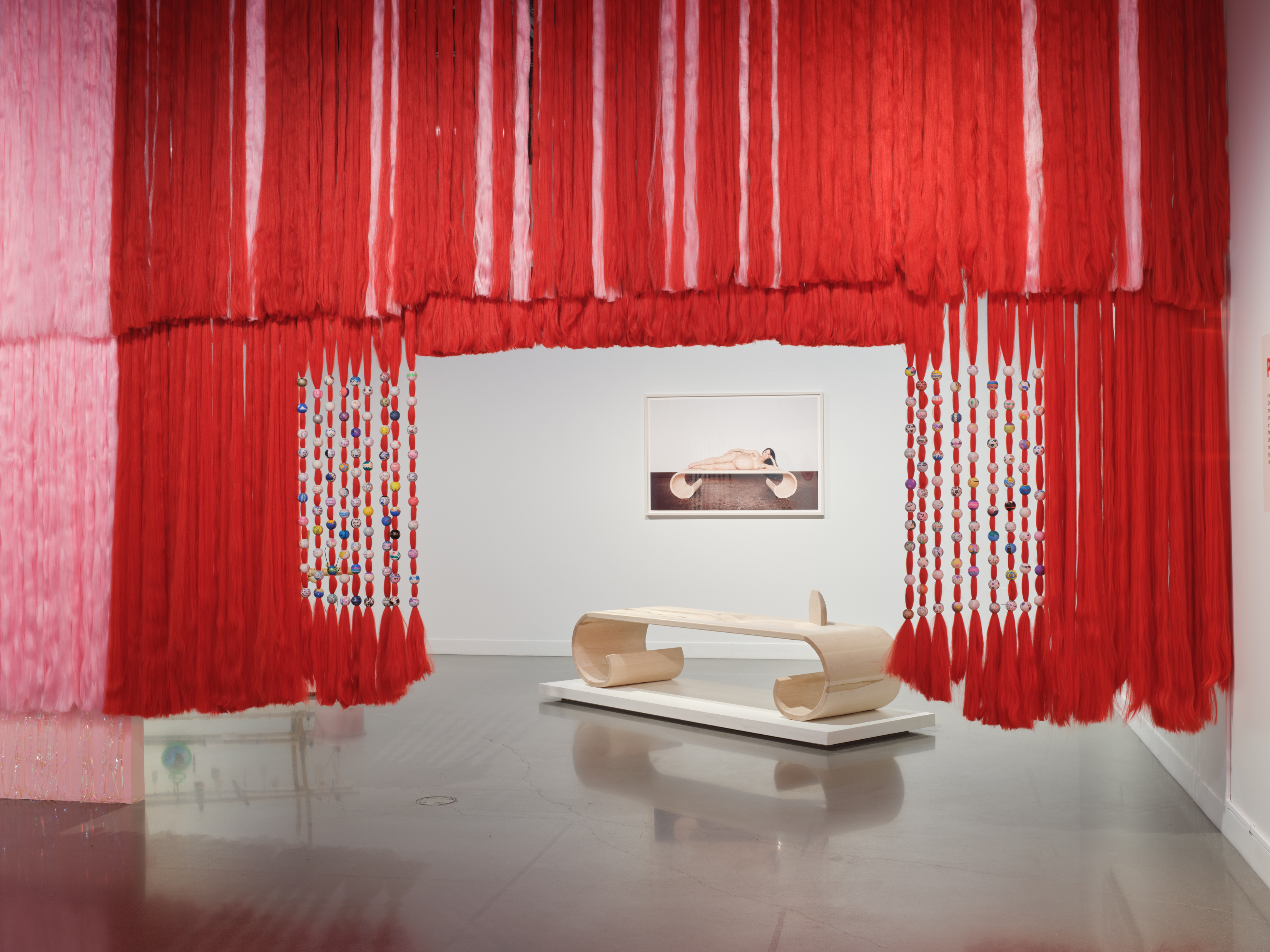
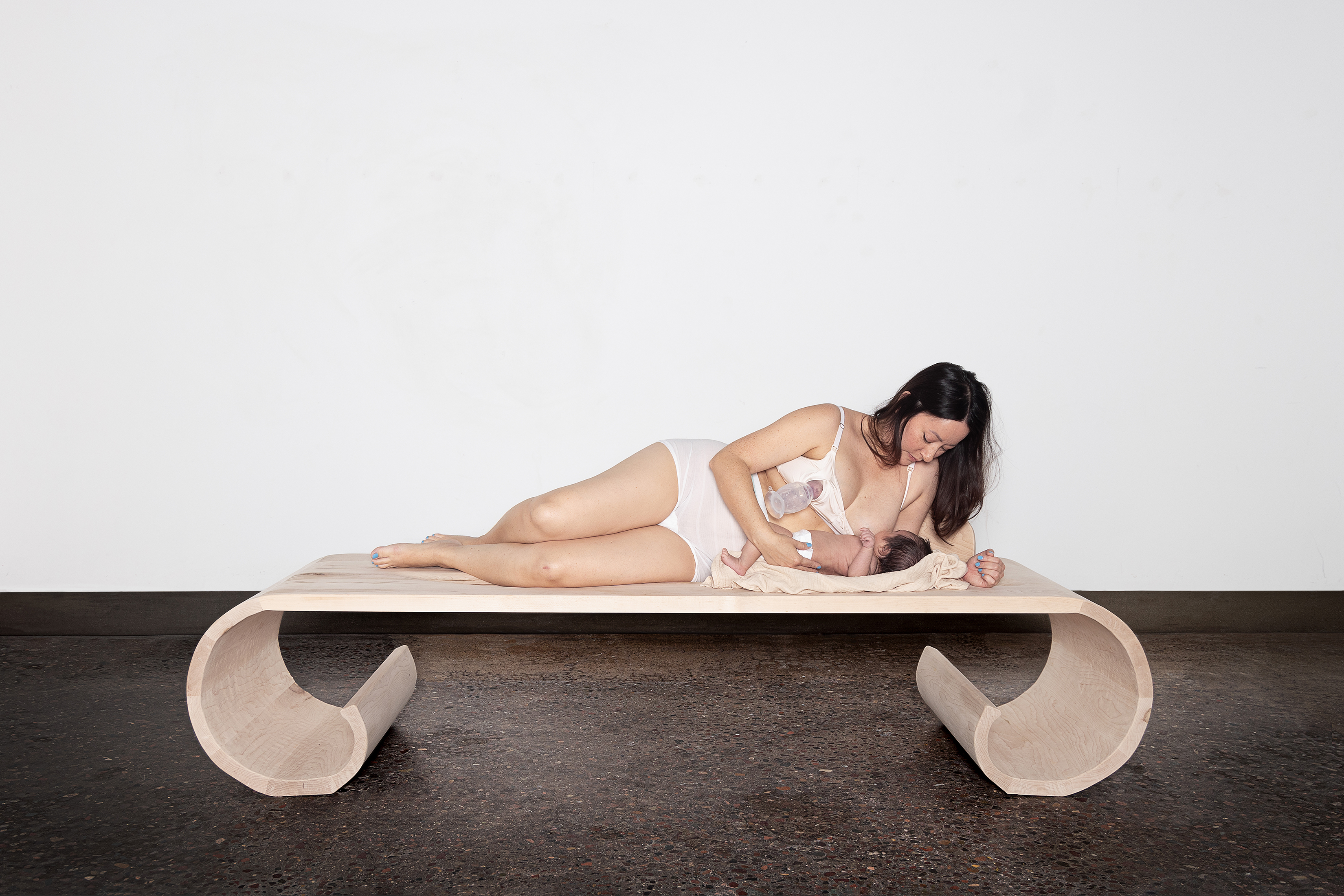
In RIPENING, artist Jennifer Ling Datchuk asks us to consider the cost of women’s labor in our everyday lives. Through five thematic sections—Protest, Rest, Labor, Exploitation, and Ripening—Datchuk weaves together her personal history as a Chinese American woman and new mother with broader questions about gender, race, and power.
The granddaughter of factory and service industry workers, Datchuk’s perspective is rooted in stories of hands that stitched, assembled, and served. But how is labor defined when it is unpaid, invisible, or done in silence? How do histories of service work, migration, and motherhood continue to shape how women are seen—or not seen? Trained in ceramics but working across media, Datchuk uses hair, porcelain, video, and performance to transform these questions into spaces of collective care, resistance, and reflection.
Through newly created and reimagined installations for the NMSU Art Museum, RIPENING uplifts often-unheard stories—especially those of Asian American women and female laborers in the Southwest. These works reflect on the physical and emotional realities of being a woman and mothering in 2025, asking: what is the value of time, growth, and expectation under capitalism? How do women’s bodies become sites of both creation and control, of care and constraint? Datchuk invites us to question how the most intimate forms of labor—like nurturing a life—are often the least visible, yet the most deeply felt. What happens when those silenced begin to speak, or when their care becomes a force for change?
Ripening:
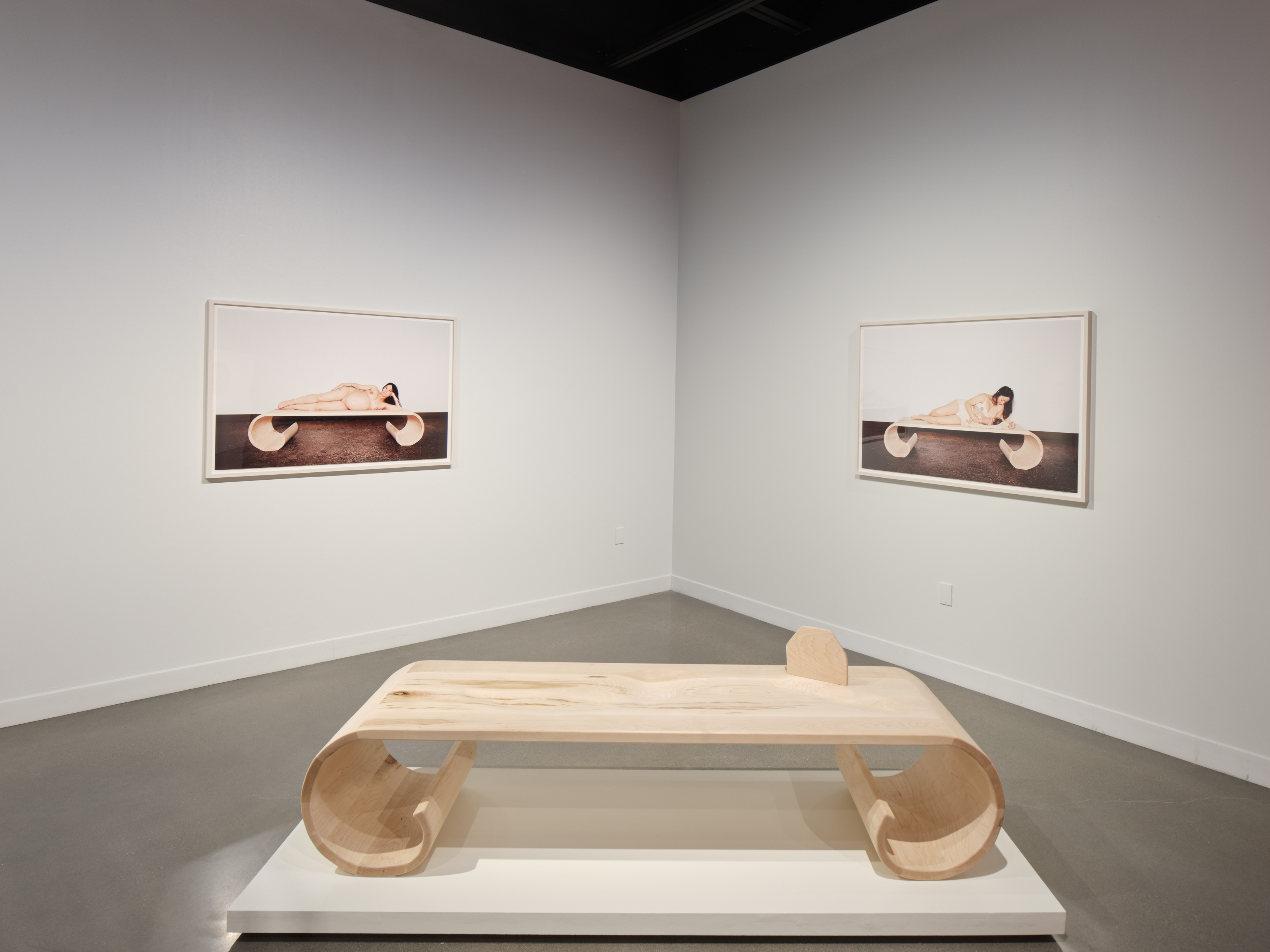
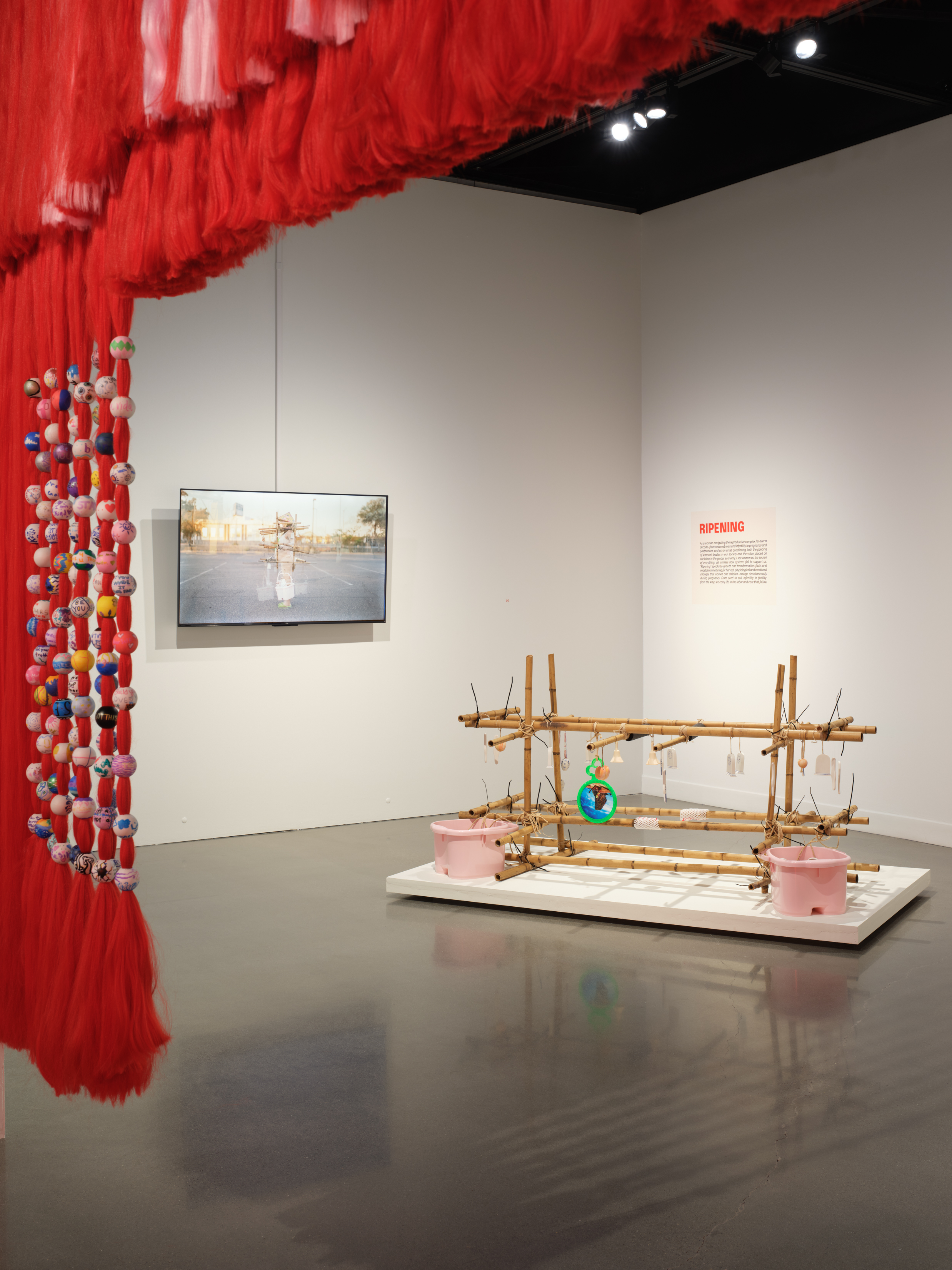
As a woman navigating the reproductive complex for over a decade–from endometriosis and infertility to pregnancy and postpartum–and as an artist questioning both the policing of women’s bodies in our society and the value placed on our labor in the global economy, I see women as the source of everything, yet witness how systems fail to support us. “Ripening” speaks to growth and transformation: fruits and vegetables maturing for harvest, physiological and emotional changes that women and children undergo simultaneously during pregnancy. From seed to soil, infertility to fertility, from the ways we carry life to the labor and care that follow.
Protest:
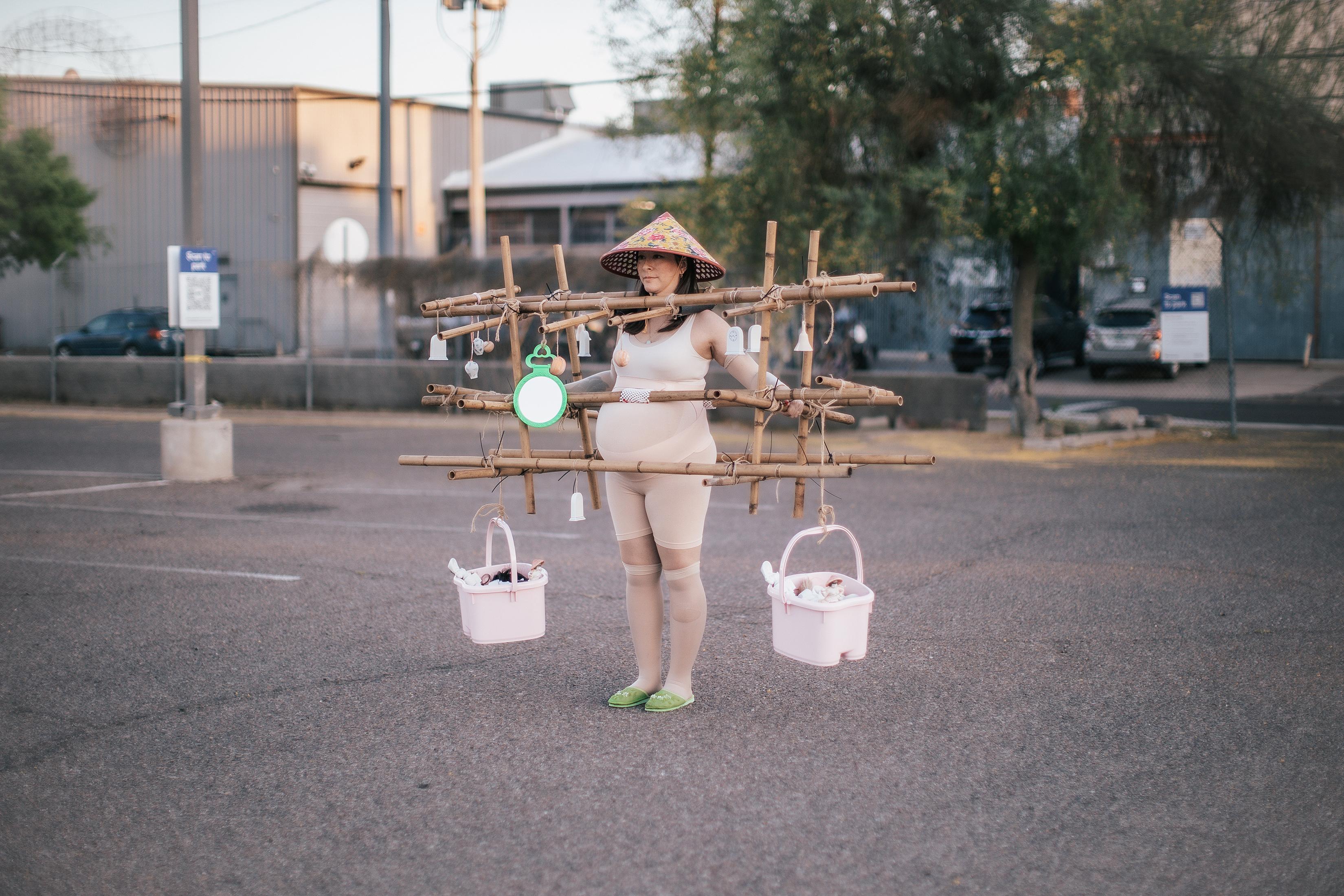
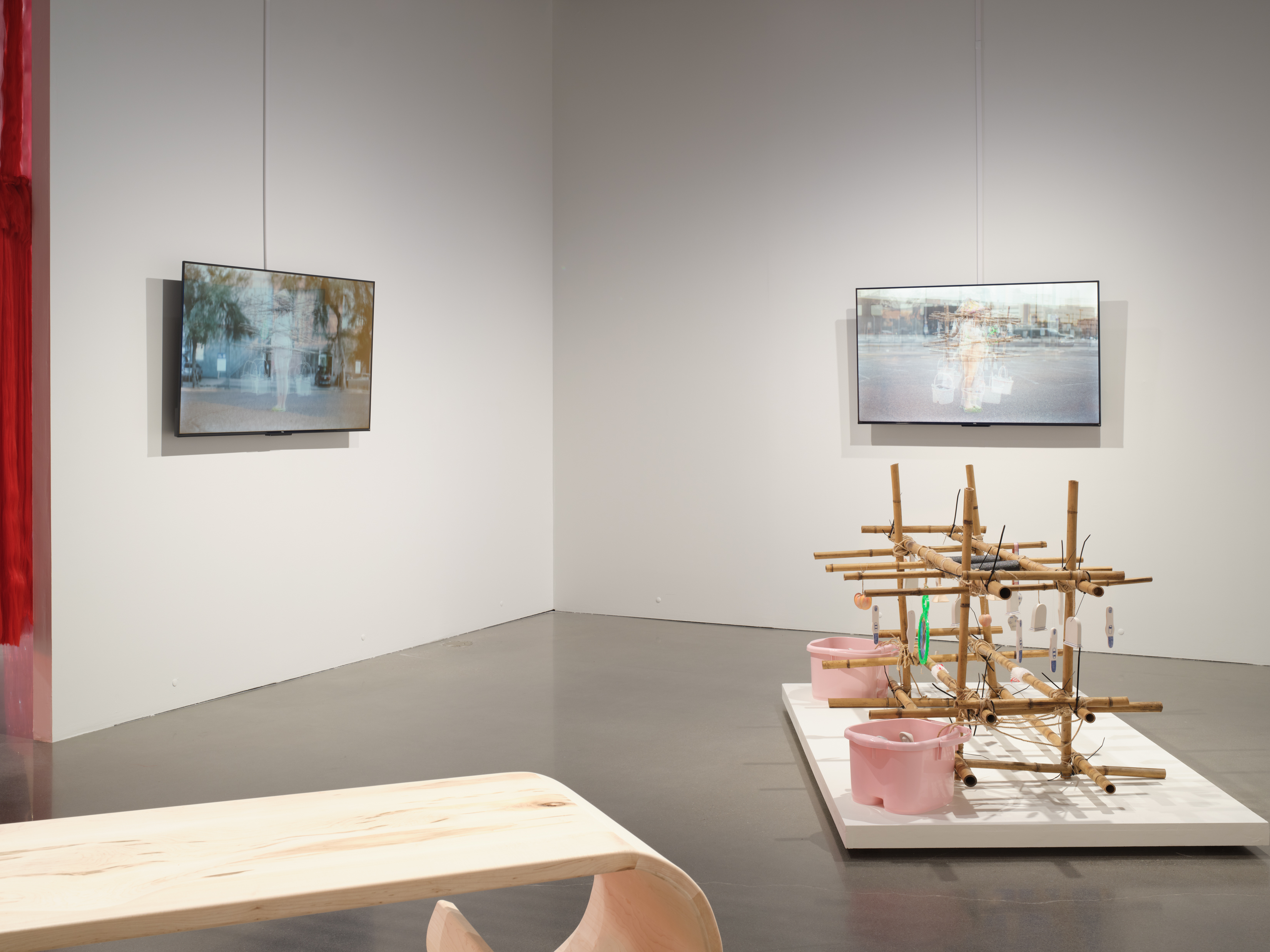
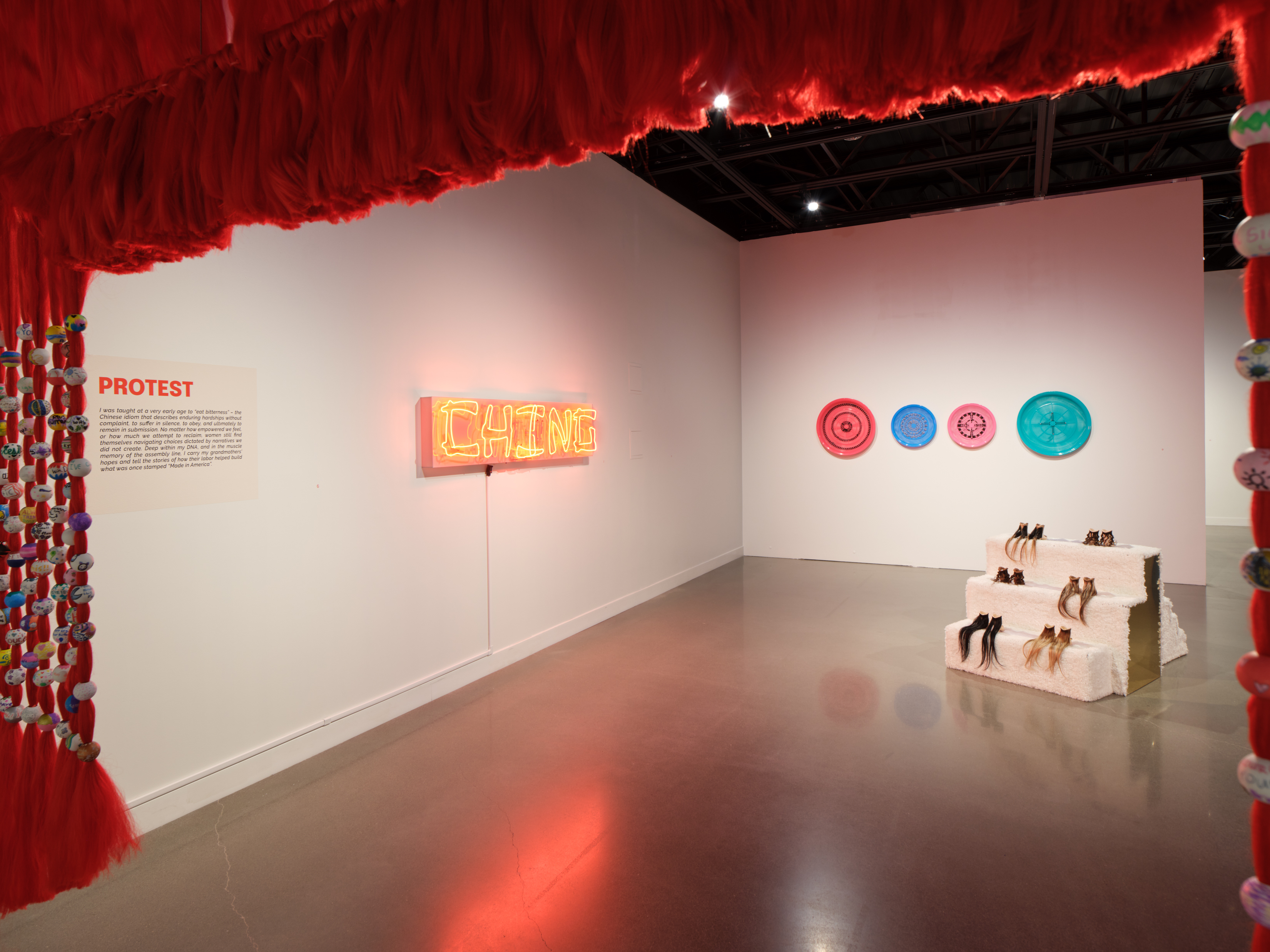
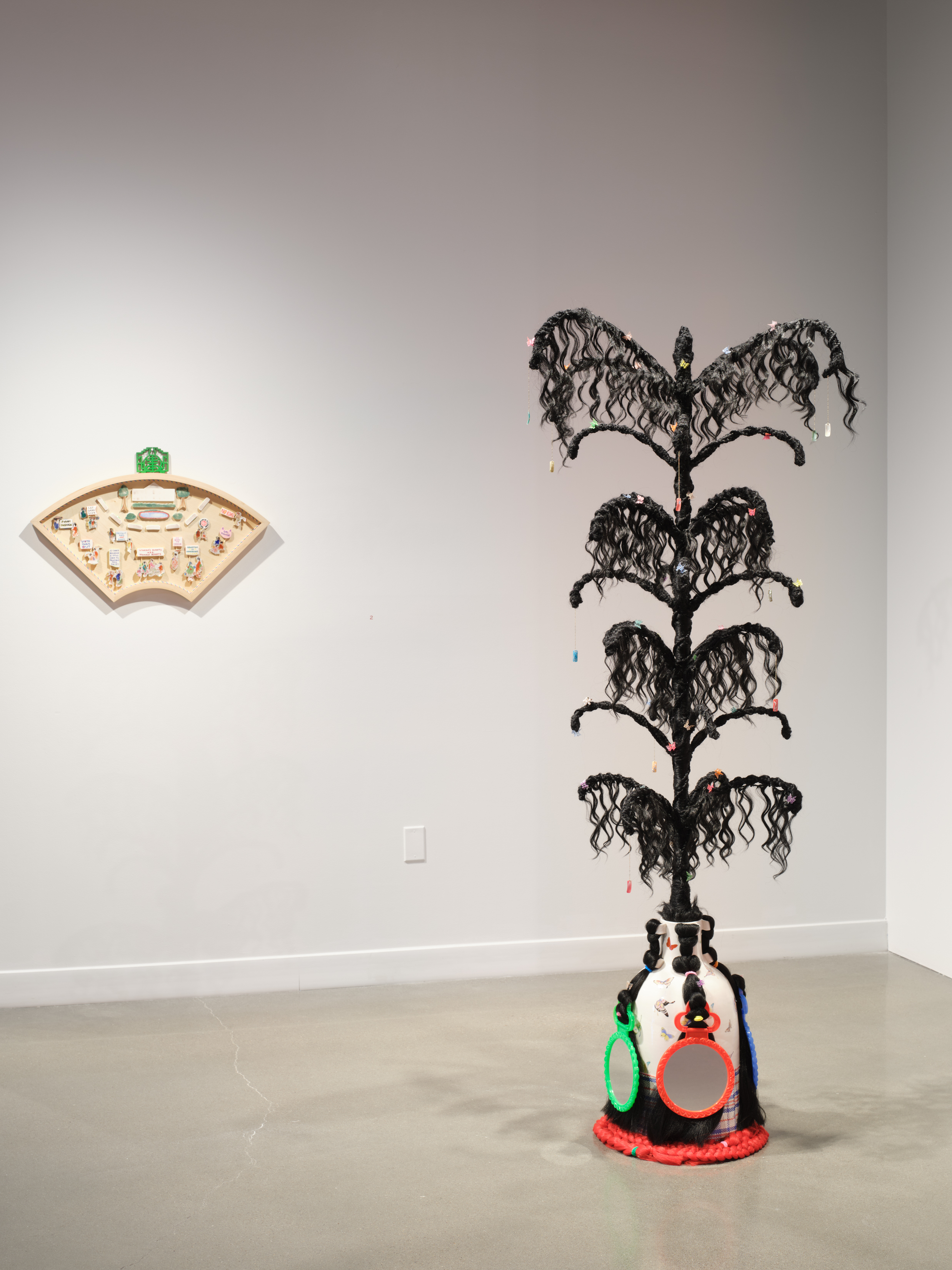
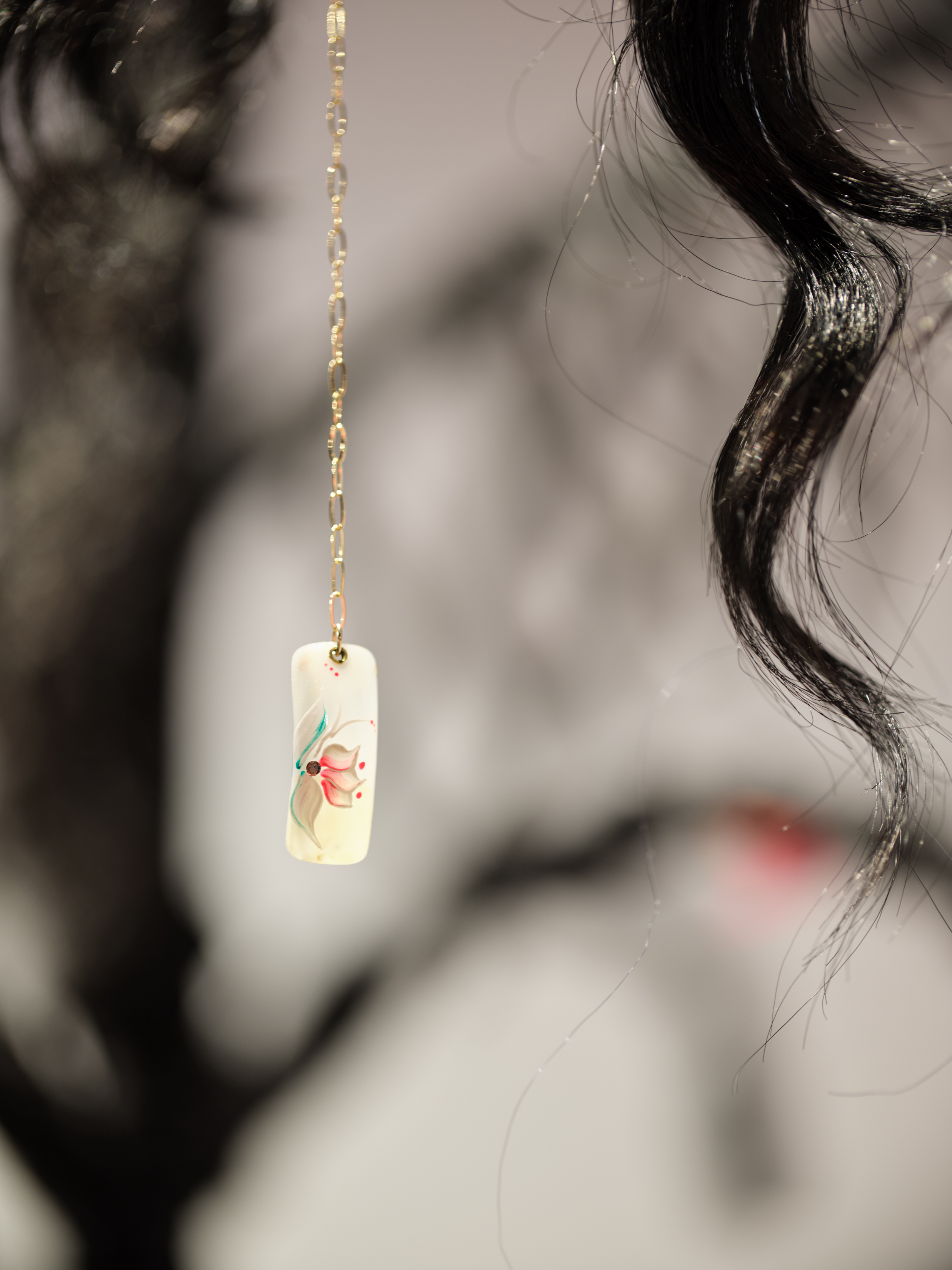
I was taught at a very early age to “eat bitterness” – the Chinese idiom that describes enduring hardships without complaint, to suffer in silence, to obey, and ultimately to remain in submission. No matter how empowered we feel, or how much we attempt to reclaim, women still find themselves navigating choices dictated by narratives we did not create. Deep within my DNA, and in the muscle memory of the assembly line, I carry my grandmothers' hopes and tell the stories of how their labor helped build what was once stamped “Made in America”.
Rest:
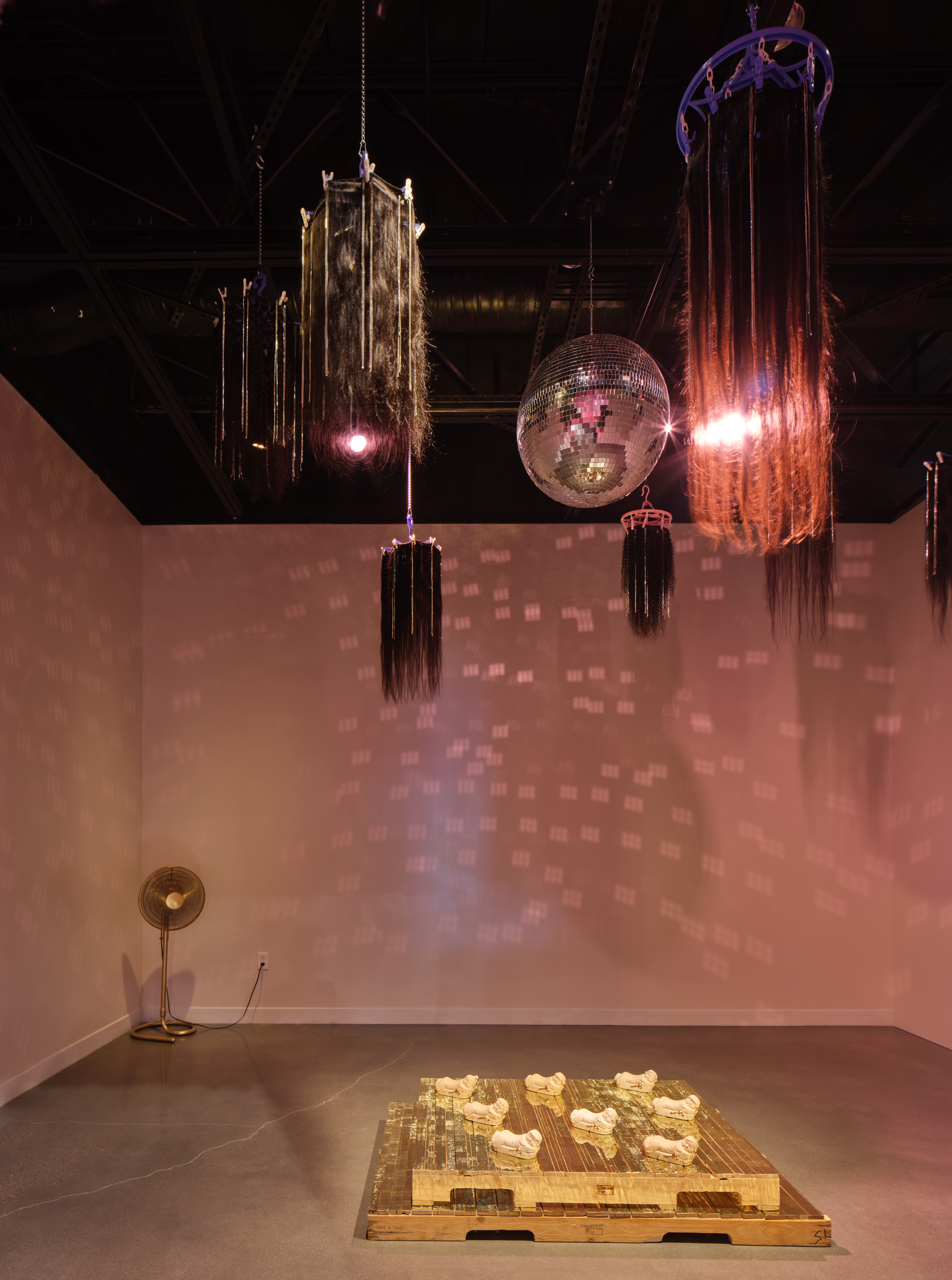
In today’s late capitalist system, how do we care for ourselves when work is survival? My grandmothers were hustlers. Their workday did not end in the factory but continued at home with piecemeal jobs, tending to children, and managing domestic chores. I never knew them to prioritize self-care nor were their contributions acknowledged as labor. In reclaiming these forms of work, we begin a cultural unlearning—observing how our bodies record time and giving ourselves permission to rest. More than ever we openly share this exhaustion, but there is also a tide of change. The affirmations spoken by a new generation offer hope for building presence, care, and connection across generations.
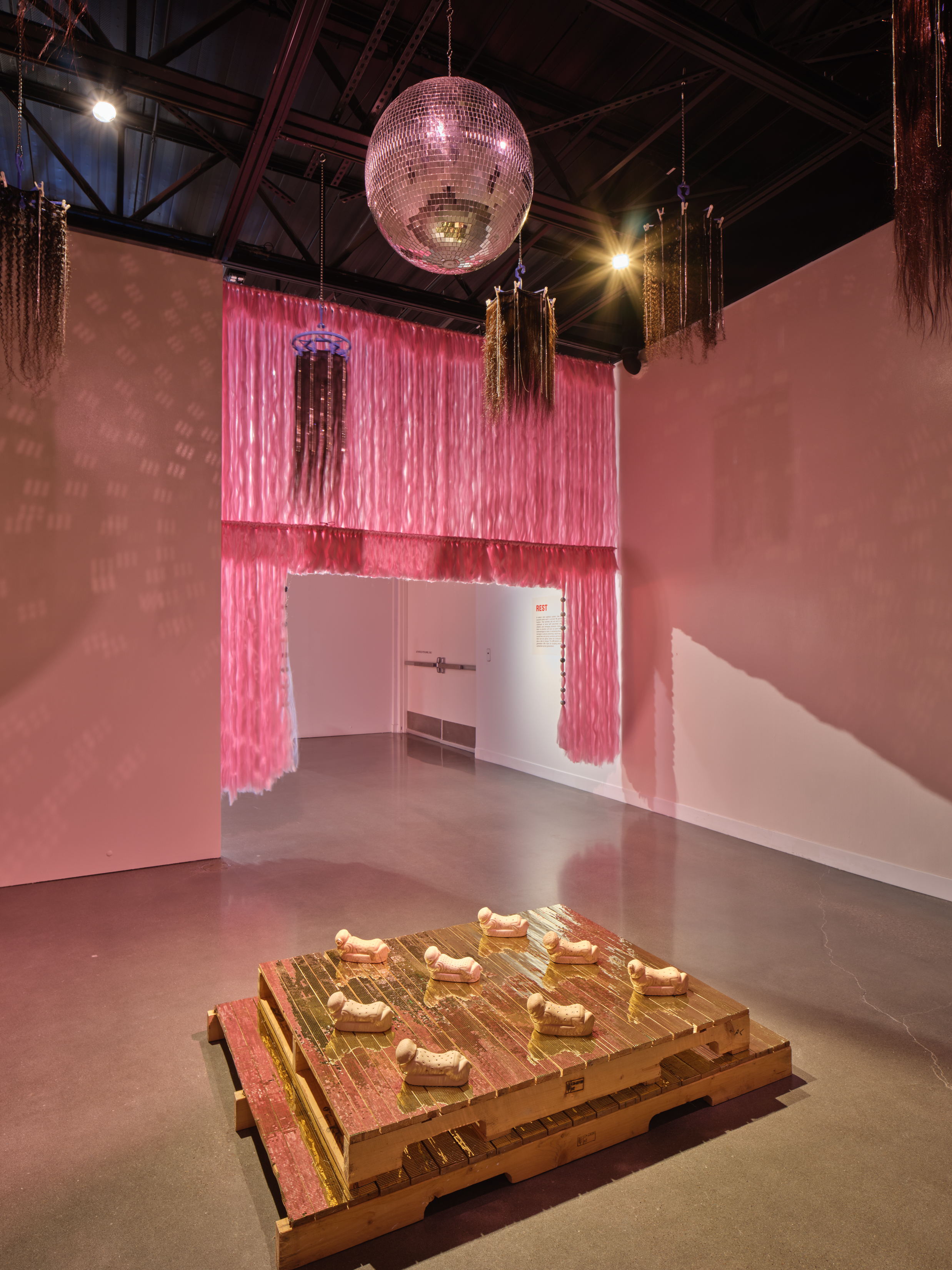
Exploitation:
Between Asian communities scattered throughout the American Midwest, South, and Southwest, I know the long drives to find Asian groceries, familiar foods, services, and comforts of home. I cry at the taste of a steaming pork bun, the rough scrub of an auntie’s hands washing my hair, and her loving critiques in Toisan—the dialect of Guangdong province and my childhood home. Despite the comfort they offer, these “Chinatowns” collapse Asian identities, flattening differences while housing countless diasporas of labor in pursuit of the American dream. How many hands are exploited to make these spaces feel like home? Life feels fragile, inequalities widening, fears of xenophobia persist. When does invisible labor become visible to others?
RIPENING at NMSU was made possible in part with support from The Community Foundation of Southern New Mexico, Devasthali Family Foundation Fund; Bemis Center for Contemporary Arts; Ruiz-Healy Art, San Antonio / New York; Guillermo Nicolas; United States Artists, NMSU College of Arts & Sciences; Southwest and Border Cultures Institute; Friends of the University Art Museum; and several private donors.